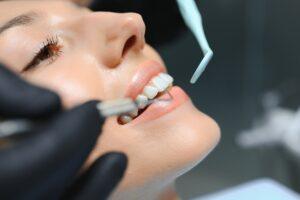
Tooth loss can affect more than appearance; it can influence how people eat, speak, and feel in daily life. Modern dentistry offers reliable solutions that help restore both function and aesthetics, allowing individuals to regain comfort and confidence in their smiles. Among these options, dental implants are widely recognized for their durability and natural look, making them a preferred choice for many patients seeking long-term results. They are designed to replace missing teeth in a way that closely mimics natural tooth structure while supporting overall oral health.
Understanding Dental Implant Benefits
One of the most significant advantages of dental implants is their ability to integrate with the jawbone, creating a stable foundation for replacement teeth. This integration helps preserve bone structure and prevents the shifting that often occurs when teeth are missing. Patients also benefit from improved chewing efficiency, which allows for a more balanced and comfortable diet. Because of their secure placement, implants do not rely on adjacent teeth for support, helping maintain the integrity of surrounding natural teeth.
Restoring Oral Functionality and Speech Clarity
Restoring missing teeth with dental implants also improves speech clarity, as properly positioned teeth help form sounds more naturally. This can be particularly important for individuals who have experienced long-term tooth loss and have adapted their speech patterns over time. Improved oral function often leads to greater confidence in social and professional interactions. These benefits extend beyond appearance, contributing to a higher overall quality of life.
Supporting Long-Term Oral Health Stability
Long-term oral health is another important consideration when evaluating tooth replacement options. Dental implants help maintain jawbone density by providing stimulation similar to natural tooth roots. This support reduces the risk of bone loss, which is a common concern after tooth extraction. With proper care, implants can offer a long-lasting solution that supports overall oral stability.
Enhancing Confidence and Quality of Life
Tooth replacement decisions are often shaped not only by clinical needs but also by access to care and financial considerations that vary widely across populations. According to the World Health Organization, access to oral healthcare remains limited in many countries, with treatment costs often creating major financial barriers. These challenges highlight the importance of durable and effective treatment options that can provide long-term value for patients seeking restorative solutions. Dental implants have become an important part of modern restorative dentistry because they are designed to function like natural teeth while supporting both aesthetics and oral health.
They offer stability that allows individuals to speak, eat, and smile with greater ease, which can positively influence daily interactions and overall well-being. By restoring both function and appearance, they help individuals feel more comfortable in their everyday lives. For patients considering treatment options, understanding how dental implants work can help them make informed decisions about their oral health. Riverside Dental supports patients in exploring restorative options that align with their needs and long-term oral health goals.
Restorative dentistry continues to evolve as new materials and techniques improve predictability and long-term outcomes for patients seeking tooth replacement solutions. While each patient’s situation is unique, the goal of treatment is consistently focused on restoring function while preserving as much natural structure as possible. Education about available options helps individuals feel more confident when discussing care plans with their dental providers. In many cases, early evaluation and timely intervention can improve outcomes and reduce the complexity of future treatment needs.
As awareness of oral health increases, more individuals are recognizing the connection between dental health and overall wellness. Technologies used in dental implants allow for precise placement and improved integration with existing bone structures. These advancements contribute to higher success rates and increased patient satisfaction over time. Individuals who pursue restorative treatment often report improvements in both physical comfort and emotional well-being. Consistent follow-up care remains important to ensure the longevity and success of dental implant treatments. Patients are encouraged to maintain good oral hygiene habits and attend regular dental visits as part of their ongoing care.
With careful planning and individualized care, dental implants can provide a reliable foundation for long-lasting oral health. The integration of technology and clinical expertise continues to improve outcomes and patient experiences across restorative dentistry. Ultimately, restoring missing teeth is not only about appearance but also about preserving long-term oral function.